From Thin Crust to Deep Flavor: Pizza Place Cheyenne Highlights
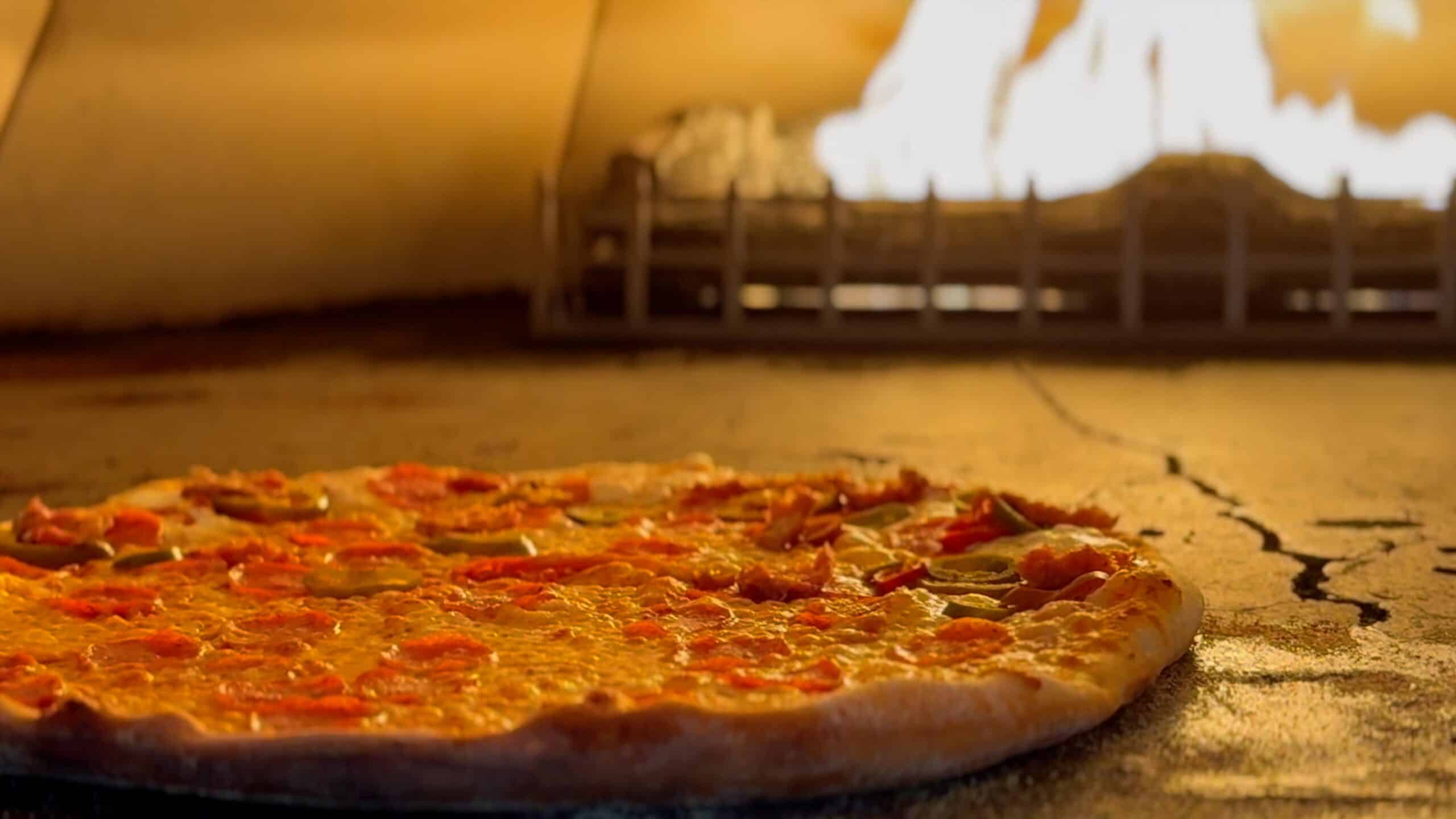
Cheyenne is not the first city that comes up when people start talking seriously about pizza, and that is part of what makes the local scene interesting. Places here do not have the luxury of relying on reputation alone. They have to win regulars with the basics, dough that tastes like something, sauce that knows when to stay in the background, cheese that stretches instead of sliding off in one sheet, and toppings that feel chosen rather than dumped pizza place cheyenne on. When you spend enough time eating your way through any city, that becomes the dividing line between a meal you forget by the next afternoon and one you think about again when Friday rolls around.
The appeal of a good pizza place Cheyenne diners return to is often not flashy. It is consistency, for one thing. It is the ability to handle a lunch rush without turning every pie into the same overbaked disk. It is also judgment. In a market where families, students, downtown workers, and travelers all overlap, the best shops understand how to make food that feels accessible without flattening every flavor into bland sameness.
Cheyenne’s pizza strengths sit in that middle ground between comfort food and craft. You can find thin crust that crackles cleanly when folded, heavier pies that lean into cheese and browned edges, and pan styles with a little chew and a little crisp at the corners. What stands out most is not that one style dominates. It is that the better places know exactly what kind of pizza they are trying to make, and they do not apologize for it.
Why crust tells you almost everything
A lot of people judge pizza by toppings first. That is understandable, especially when menus are loaded with names, specialty combinations, and photos of pepperoni cups glistening under melted mozzarella. Still, crust is where a kitchen shows its discipline. If the dough is lifeless, no amount of sausage, roasted peppers, or hot honey can rescue it.
In Cheyenne, crust matters even more than casual diners sometimes realize. High altitude can change the way dough behaves, especially in places that try to rush fermentation or treat recipes from other regions as if they will perform the same everywhere. A dough that might puff beautifully closer to sea level can overproof, dry out, or bake unevenly unless the kitchen has adjusted water, yeast, proofing time, and oven handling. The better pizza makers understand this instinctively, either through training or through years of trial and error.
Thin crust, when done right, should not feel like a cracker with toppings attached. It needs enough interior structure to support sauce and cheese, with a bottom that browns rather than burns. You want a slight pull before the snap. That detail separates serious dough work from shortcut production. A deep flavor in thin crust usually signals fermentation time, better flour handling, and restraint with sugar and oil.
Thicker crust styles ask for a different skill set. A heavier pie can go wrong fast if the center turns doughy while the edges harden. In a strong kitchen, the crumb stays open enough to breathe, the bottom develops color, and the interior tastes faintly wheaty instead of merely soft. You should be able to eat the last inch of crust without treating it like edible packaging.
That is often my first test when sizing up a pizza place Cheyenne locals praise. If the end crust is left on every plate, something is off. If people are absentmindedly tearing into it while talking, the dough is doing its job.
Sauce should support, not shout
Sauce is where many pizzerias lose balance. Some bury the pie in sweetness. Others go so heavy on oregano and garlic that every bite tastes like the same red blur. Good sauce knows its role. It provides acidity, depth, and moisture, but it does not drown the dough or fight the cheese.
In colder climates and cattle country, there is sometimes a temptation to make every flavor bigger, saltier, and richer. You can understand why. People often want hearty food, especially through much of the year. But pizza improves when one component leaves room for another. A well-judged sauce can make a meat-heavy pie feel less heavy. It can also let vegetable toppings keep their texture and brightness.
At the better spots, you notice little signs of restraint. The tomatoes still taste like tomatoes. The herb profile is clear but not dusty. The sauce layer is thin enough that slices hold together, yet substantial enough to leave a clean, savory impression after the cheese has cooled. A pepperoni pizza becomes a real benchmark here. If a kitchen can make pepperoni taste vivid instead of greasy and monotonous, odds are good the rest of the menu has been thought through too.
Cheese, heat, and the importance of timing
People tend to discuss cheese as if it were a single category. In practice, it is one of the main reasons two pizzas with nearly identical ingredients can feel miles apart. Moisture level, shred size, blend ratio, and bake timing all matter. A lot.
On a good pie, the cheese stretches but does not blanket every other flavor. It browns in spots without turning oily. It clings to the slice instead of slipping off and leaving a bare patch of sauce behind. That last issue is especially common in places where cheese is added too thickly or where the bake temperature and oven deck are not aligned with the dough style.
The strongest pizza kitchens in Cheyenne seem to understand a practical truth: more cheese is not always better. For families splitting a large pie, abundance looks appealing. For flavor and texture, though, excess can mute everything else. A balanced cheese layer lets the crust breathe and gives toppings room to register. It is the difference between eating pizza and eating a cheese delivery system.
Timing matters just as much. A pizza that rests for even a minute or two before slicing often eats better than one hacked apart the instant it leaves the oven. That short pause helps the cheese settle, the steam redistribute, and the center hold. It sounds minor until you compare slices side by side. One droops and leaks. The other lands on the plate as a complete thought.
What toppings say about a kitchen
Toppings reveal whether a place pizza place cheyenne Ruffrano's Hell's Kitchen Pizza Cheyenne thinks beyond menu volume. Anybody can stack a pie with six meats and call it popular. A better pizzeria understands contrast, moisture control, and how ingredients behave under heat.
Pepperoni remains the easiest tell. Cheap pepperoni sheds oil and shrinks into hard little cups with little flavor beneath the salt. Better pepperoni crisps at the edges while keeping some chew. Sausage should taste seasoned but not aggressively fennel-heavy unless that is the house style. Bacon, when used, should contribute smoke and texture rather than damp saltiness.
Vegetables are where weaker kitchens often stumble. Mushrooms dump water if they are not handled properly. Bell peppers can taste raw or go limp and bitter. Onions can either sweeten beautifully or dominate the pie with sulfurous force. The best spots know when to pre-cook, when to slice thin, and when to hold back.
A strong topping combination usually gives you contrast in three directions at once, richness against acid, crunch against melt, and salt against sweetness. That balance is what makes a specialty pie memorable rather than merely crowded.
Here are a few topping combinations that often signal care rather than gimmick:
- pepperoni with pickled heat, where spice cuts the fat instead of piling on more salt
- sausage and mushroom, if the mushrooms are roasted or otherwise managed for moisture
- white pies with garlic and greens, when the kitchen knows how to avoid an oily finish
- barbecue chicken only if the sauce is used sparingly and the crust can still speak
- simple margherita style builds, which expose every weakness if dough or sauce is mediocre
That last point deserves emphasis. A plain cheese pizza and a margherita style pie are honesty tests. They leave nowhere to hide.
The dining room matters more than pizza purists admit
A great pizza place is never just the pie. It is the room, the pace, the noise level, the soda fountain that works, the table that can handle two adults and three boxes, the server who knows when to stop talking and refill drinks. Pizza is social food. Most people are not eating it in monk-like silence while assessing fermentation notes. They are meeting friends after work, taking kids out after a game, or grabbing a quick meal before driving home across town.
In Cheyenne, where weather can change the mood of a whole evening, atmosphere matters even more. On a cold, windy night, people want warmth, speed, and enough comfort to justify staying for another slice. A place with excellent pizza but awkward service or a chaotic pickup system will lose people fast, especially regulars who depend on reliability.
The strongest local spots tend to do a few operational things well. They quote realistic wait times. They package takeout so crusts do not steam themselves soggy in the box. They manage families without making couples feel crowded out. Those details sound small until you have seen how often they go wrong.
I have always thought that pizza is one of the clearest tests of hospitality because it is deceptively simple. A steakhouse can hide behind ceremony. A pizza shop cannot. If the order is late, if the center is raw, if the box leaks grease through the passenger seat, the whole experience gets reduced to that failure. Places that thrive over time usually understand this at a gut level.
Thin crust has the spotlight, but depth can come from any style
The title phrase, from thin crust to deep flavor, gets at something worth saying directly. Thin crust is not inherently better. It simply exposes craftsmanship more quickly. You notice fermentation, browning, and balance right away. But deep flavor can come from a pan pie, a thicker hand-tossed round, or even a heavily topped house specialty if the kitchen builds it with intention.
Some of the most satisfying pizzas are not the most delicate. A thicker crust done well can feel generous without becoming heavy. The outside crisps, the interior stays chewy, and the toppings settle into the dough instead of sitting on top like a separate layer. This style often works especially well in group settings where people want substantial slices that stay hot a little longer.
There is also a practical point. Not every diner wants the same thing from pizza. A solo lunch eater may prefer a lighter thin crust with a salad. A family with teenagers might want something sturdier that can survive a twenty-minute drive home. The best pizza place Cheyenne residents recommend usually succeeds because it understands those use cases, not because it chases one idealized version of authenticity.
What to notice before you order again
If you are trying to sort the genuinely good from the merely convenient, pay attention to what happens after the first slice. First bites can flatter almost any pizza if it arrives hot enough. The second and third slices tell the truth. Does the crust turn gummy as it cools? Does the salt build until everything tastes flat? Does grease pool on the plate? Does the topping ratio stay balanced near the center and the edge?
These are the details repeat customers register, even if they do not describe them in technical language. People know when a place leaves them satisfied rather than weighed down. They know when leftovers reheat well. They know when a pie still tastes good at room temperature an hour later, which is a more meaningful compliment than some restaurant owners realize.
A few signs usually predict whether a place is worth returning to:
- the crust stays distinct from the topping layer instead of fusing into sogginess
- the sauce tastes integrated, not ladled on as an afterthought
- the cheese browns with control rather than separating into oil
- the menu has range, but not so much range that pizza feels secondary
- the staff can answer simple questions about styles, sizes, and bake differences
That final point matters because menus can be misleading. A well-trained front-of-house team often signals a well-run kitchen. If someone can explain which pie is crispest, which one runs heavier, or which toppings tend to make a pizza spicier rather than just saltier, it usually means the product is consistent enough to describe honestly.
The carryout question
Pizza lives in two worlds now, dine-in and off-premises, and they are not equal. Some pies travel beautifully. Others begin declining the second the lid closes. That matters in a city where people may drive a bit to pick up dinner, especially in bad weather.
Thin crust often loses its crisp edge fastest if trapped in steam. Thicker styles can survive the trip better, though they also risk becoming dense if underbaked. A good pizzeria anticipates this. It may vent the box, stagger the cut, or simply bake a touch differently for carryout than for dine-in. Those adjustments are signs of a kitchen that thinks in real-life terms instead of ideal conditions.
If you are ordering to go, the smartest approach is matching style to distance. A ten-minute drive gives you more flexibility than twenty-five. Specialty pies loaded with vegetables and extra cheese may eat wonderfully at a table but soften quickly in the box. Simpler builds often travel better. That is not a compromise so much as choosing wisely for the format.
Price, value, and where people feel burned
Pizza pricing has become more complicated in recent years. Ingredient costs, labor, rent, and delivery fees have all moved around. Most customers understand that. What frustrates them is not the price itself, but the mismatch between price and finish.
A premium pie can absolutely justify itself if the dough has character, the toppings are generous in the right way, and the kitchen gets the bake right consistently. Where places get into trouble is charging craft-level prices for assembly-line results. People may not phrase it that way, but they feel it immediately.
Value in pizza is not just about size. It is about how filling and satisfying the slices are, how well the leftovers hold up, and whether the whole meal feels coherent. A medium pizza with excellent crust and balanced toppings can provide better value than a giant discount pie that turns rubbery within fifteen minutes. The good shops know this and build trust around quality rather than coupon dependence.
Why local pizza scenes earn loyalty differently
National chains have advantages. They move fast, their apps work, and their menus are predictable. Yet local pizza loyalty forms around something chains struggle to reproduce, a sense that the kitchen has a point of view. Maybe that is a crust with real fermentation, a red sauce that avoids excess sugar, or a specialty pie that actually tastes composed instead of engineered for a photo.
In Cheyenne, where community habits still matter, that loyalty has real staying power. A place that serves teams after games, handles busy weekend pickups without unraveling, and keeps quality steady through different shifts becomes part of people’s routines. That is not sentimentality. It is earned trust.
You can see it in the way regulars order. They stop debating the whole menu and start customizing with confidence because they know how the kitchen works. They know which pie is best extra crisp, which topping combination the oven favors, and which size makes sense for leftovers. That kind of familiarity only develops when the baseline is strong.
The real highlights
The most important pizza place Cheyenne highlights are not trend pieces or novelty toppings. They are craft, consistency, and an understanding of context. Good pizza here has to satisfy a broad crowd, travel reasonably well, and still feel worth eating for its own sake. That is a taller order than many outsiders assume.
When a place nails it, the signs are obvious. The crust has flavor before toppings even enter the conversation. The sauce sharpens rather than smothers. The cheese behaves. The toppings taste intentional. The room feels welcoming. Pickup works. Leftovers still have life the next day.
Those are not glamorous benchmarks, but they are the ones that matter. Anyone can serve hot pizza. Memorable places serve pizza with structure, balance, and enough personality to keep people coming back, whether they are craving a clean, crisp thin crust or a richer pie with deeper, slower flavor. That is where the best of Cheyenne’s pizza scene earns its reputation, one well-made slice at a time.
Ruffrano's Hell's Kitchen Pizza Cheyenne
Address: 1670 E Cheyenne Mountain Blvd, Colorado Springs, CO 80906
Phone number: +17195764355
FAQ About Pizza Place Cheyenne
What's the most popular pizza place?
The "most popular" pizza place depends on whether you measure by location count, total sales, or customer favorite status.
What is the 2 pizza rule?
The two-pizza rule is a management principle made popular by Amazon founder Jeff Bezos. It states that a team or meeting should never be larger than what can be fed with two large pizzas—typically translating to a group of 5 to 10 people (or roughly 6 to 12 people depending on appetites).
Is 2 pizzas enough for 10 people?
No, 2 pizzas are usually not enough for 10 people.
Corrections
Spot something wrong? Send it to the desk and it gets fixed in the open.